The Dark Walled Bazaar - Open-Source in the World of Today
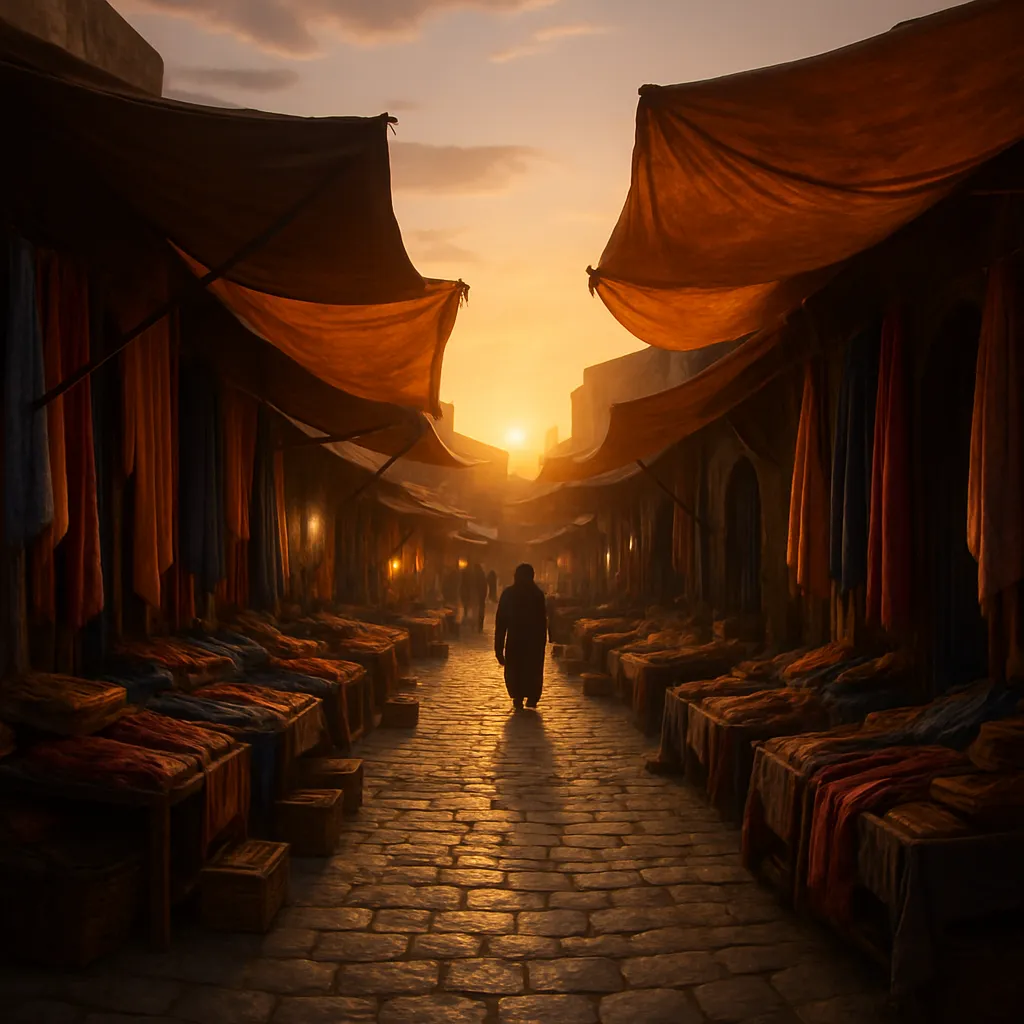
When the Bazaar Goes Dark
I still remember the day "The Cathedral and the Bazaar: Musings on Linux and Open Source by an Accidental Revolutionary" by Eric Raymond fell into my hands - not as a PDF or something pulled from a Git repo, but printed and bound inside a personal-computing magazine I religiously followed. Tucked alongside it was a gleaming Red Hat Linux 6.2 "Zoot" edition CD.
One was a revalation, the other - a dissapointment. My excitement evaporated after the installer bluntly informed me my poor Cyrix Express II 266 MHz processor wasn’t supported.
The essay, however, formed my way of thinking on open source for years to come. The cathedral - sealed, perfect, built by priests. The bazaar - chaotic, open, alive.
And for decades, we believed the bazaar model would win — because > "given enough eyeballs, all bugs are shallow."
Right?
Well… about that.
When the Bazaar Is the Target…
Open source is no longer a fringe philosophy - it is at the heart of global infrastructure. Linux runs the internet. Open-source libraries protect banking, power clouds, run critical services. A single small module can ripple through thousands of systems.
Which means attackers - and geopolitics - no longer have to break into fortresses. They just walk in through the bazaar entrance.
Recent Supply-Chain Attacks & Backdoor Intrusions
We've seen malicious commits slip into widely used components (recent examples at the time of writing include React2Shell and Shai-Hulud 2.0), backdoors in innocuous-looking packages, maintainers socially engineered or burned out - and trust weaponized. The open-source community comes to realize that:
"When something is handled by many hands, it is bound to be tweaked by malicious hands."
Isolationism, Sanctions & The New Walls
In late 2024, the Linux community quietly — but decisively — removed more than a dozen maintainers from the kernel’s official MAINTAINERS list What did they have in common? Most were connected with Russian affiliations — primarily their “.ru” email addresses.
The patch message - a terse "removed some entries due to various compliance requirements." Commentary from major figures such as Linus Torvalds confirmed the move would stand, framing it as a response to sanctions and a rejection of what he called "Russian troll factories."
Some defenders claim it's strictly legal - tied to compliance with international sanctions, not nationality per se. While to others it feels like a betrayal of open-source's founding ethos.
This is no longer just about patches, dependencies, or bugs. It's now about who gets to be part of the bazaar - and who doesn't.
The Dark Side of Open Source's Openness
The irony is sharp - "open" is in the name.
That's no longer "the bazaar". The differetiation between the two models has started to blur.
The removal of maintainers doesn't just change names in a file. It sends a message. It erodes trust. It makes the bazaar less global - less open - less resilient.
Because real security doesn't come only from code auditing or fancy tooling. It also comes from diversity, from many people caring about the same code from different perspectives, backgrounds, motivations. When you start deciding who can or cannot contribute — even if "just maintainers" — you hurt the long-term health of the ecosystem.
My Own Experience - Then & Now
Back when I got my hands on my first Slackware CD in the mid 90's, I felt like I had discovered freedom - an open OS, built by many hands, waiting for me to join.
Today, I look at Linux — the same project - and see that ideal under pressure. The bazaar is still there, but part of it is being walled off.
And if open-source becomes a patchwork of gated communities, who will be left to defend its freedom when the next supply-chain attack arrives?
We Still Believe - But Must Evolve with Eyes Wide Open
I still believe open source is humanity at its best - volunteers collaborating across borders, sharing knowledge freely, building together.
But ideals need modern armor - stronger, transparent governance - so that "compliance requirements" aren’t vague, after-the-fact excuses.
Support for critical maintainers - paid, acknowledged, judged by the code they contribute.
Robust audit & signing processes - to guard against supply-chain backdoors.
Because the threats aren’t theoretical anymore. They’re here. Persistent. Creative. And socially engineered.
The bazaar must protect itself - or risk slow decay.
We once believed that "many eyes" make bugs shallow. Today, we must ensure those many eyes are still allowed to see on equal terms and be more critical than ever, since the battlegrounds are now not just kinetic but increasingly digital.