Keep Your Ego in Check
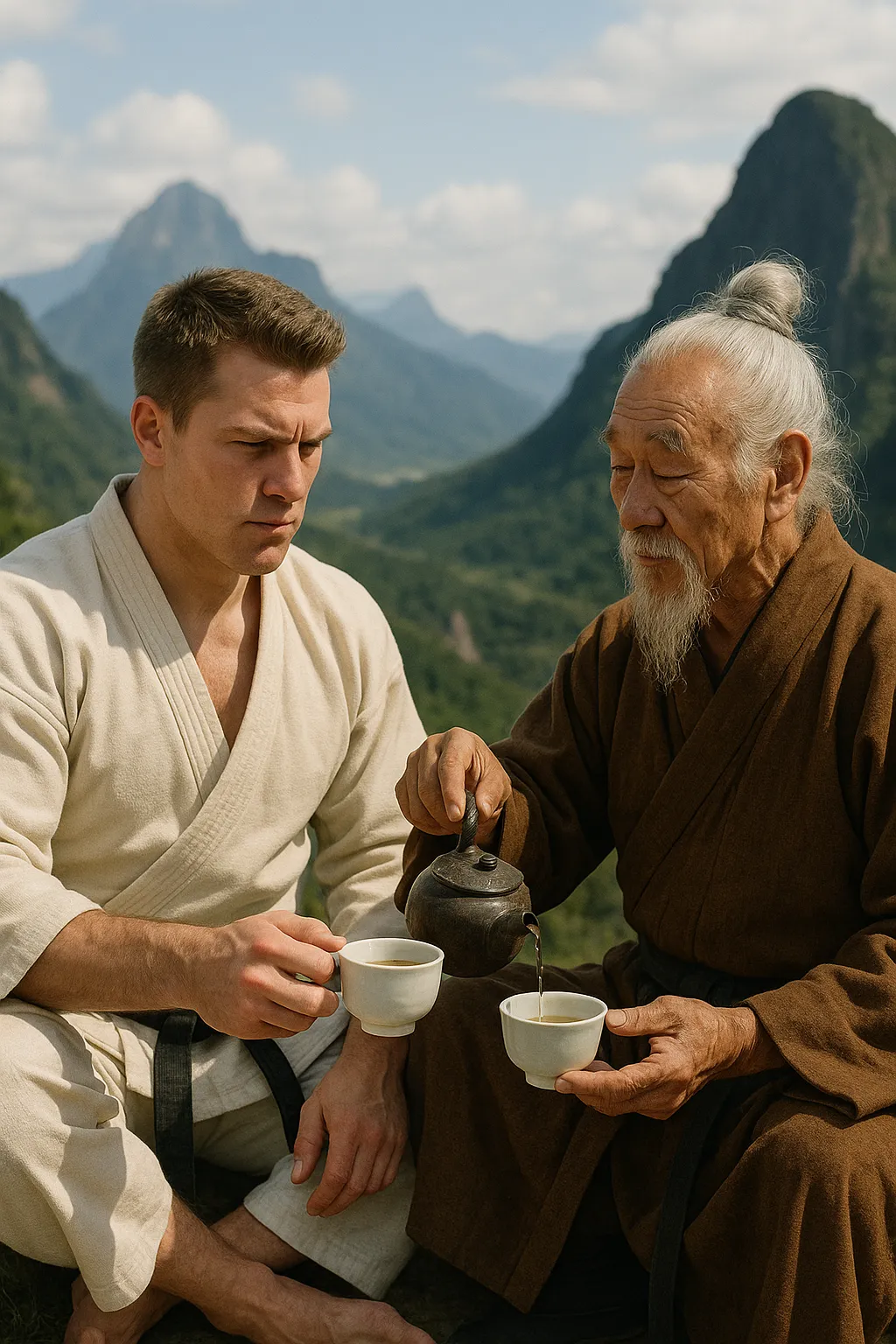
There is an old parable told in dojos and tea houses alike, about a warrior who sought to become the greatest fighter ever.
He had traveled far and wide, learning every martial art he could find—swordsmanship from the west, archery from the east, and even wrestling from nomads in the north. His name was known in many places, and his confidence had swelled with each victory. He had only one last martial art to learn and he would be the greatest fighter ever - kung fu, taught only by the greatest master alive, who lived atop a lonely mountain.
One day, the warrior climbed that mountain, knocked on the wooden door of the master’s humble home, and announced himself boldly: "I have mastered all martial arts except kung fu," he said, "Teach me, and I will become the greatest warrior who has ever lived."
The master smiled, said nothing, and offered the warrior tea. They sat together. The master poured tea into the warrior’s cup—slowly at first, then steadily, until the tea began to rise and spill over onto the ground.
The warrior shot to his feet. “Stop! The cup is full—you’ll waste the tea!”
The master placed the pot down and looked the warrior in the eye.
"Do you think I can fill more tea into that cup?" asked the master.
"Of course, not - it is already full." said the young warrior.
"You are like this cup," he said. "So full of yourself that there is no room left for what I could teach you. Empty your cup of ego — only then can you learn."
This story is more than just a lesson about martial arts—it’s about career development and life itself. Ego and knowledge are like water and oil; they do not mix, but fill the same cup. And just like oil gathers on top of water - knowledge gathers on top of ego.
If you continue to fill your ego - eventually your cup will be full of it and all knowledge will spill out.
The danger lies in believing that what we already know things. This belief turns us into the warrior with the overflowing cup — incapable of growing, blind to wisdom standing right in front of us.
It is true not only for young people - victims to the Dunning-Kruger effect but seasoned professionals that think they know the field they're in and stop learning - especially from young specialists.
Keeping our ego in check doesn’t mean pretending we are worthless — it means remembering that no matter how skilled, experienced, or intelligent we become, there is always more to learn, always someone who can teach us something new - sometimes knowledge comes from unexpected places - we just have to be in the right mindset. It’s the difference between walking into a room thinking, "I’m the smartest person here" versus, "I wonder what I can learn from these people?"
In practical terms, a controlled ego keeps doors open — people are far more willing to share ideas, guidance, and opportunities with someone who listens instead of lectures. It also keeps us from alienating those around us. After all, humility doesn’t just help you grow — it also ensures you don’t come across as, well… an a**hole.
The master’s lesson is timeless - empty your cup often. Approach life with curiosity instead of pride. Knowledge will flow in naturally, and with it, respect—from others and from yourself.
Because in the end, you can be full of ego or full of knowledge, but never both. And one of them will take you much farther than the other ever could.