Information Theory for Managers
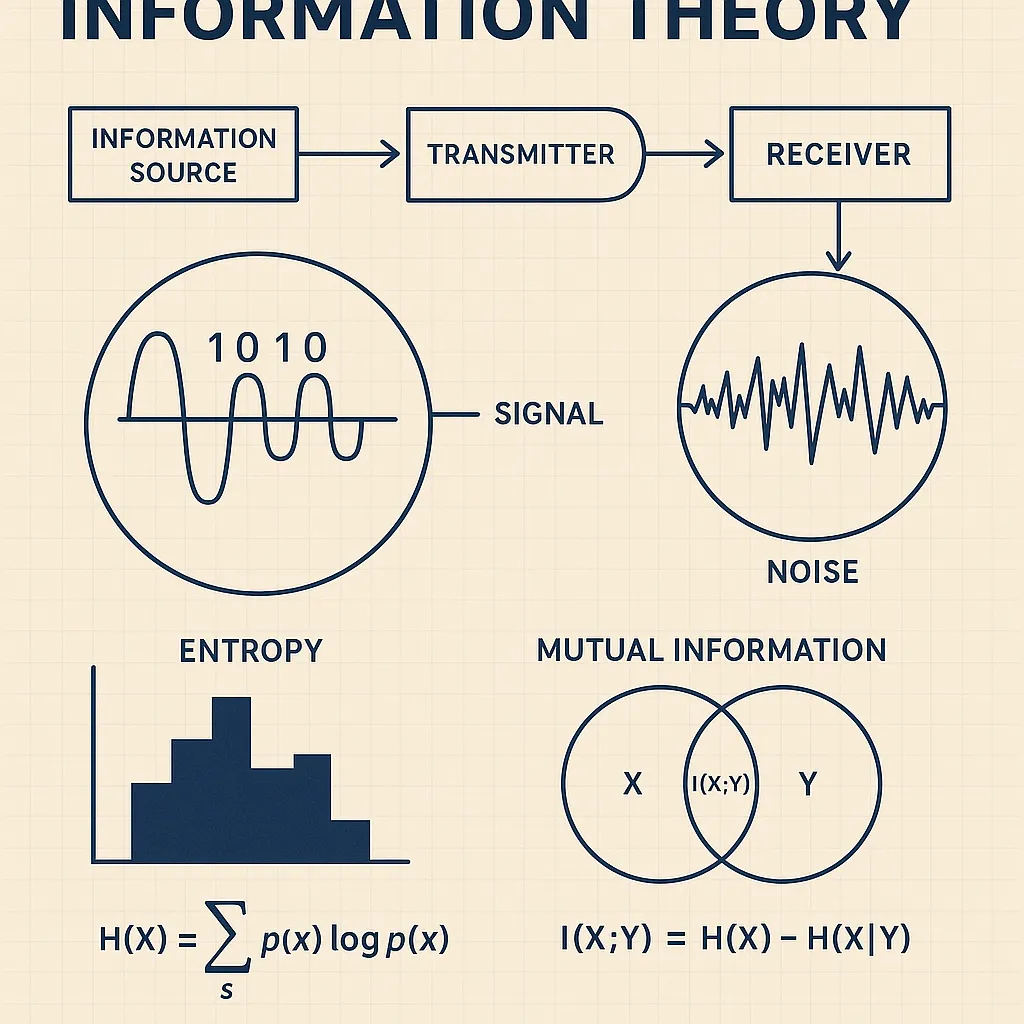
The challenges ofinter-team communications in software engineering resemble the challenges in transmitting data over unreliable channels. By applying lessons from information theory—such as reducing noise, optimizing signal, using redundancy wisely, and respecting channel limits—software engineering managers can become significantly more effective in their roles. Beyond just getting the message across, these principles promote team alignment, reduce rework, and build a culture of clarity and trust.
In the fast-paced world of software engineering, effective communication is as critical as technical proficiency. As teams grow in complexity and size, engineering managers often find themselves at the nexus of various stakeholders—developers, product managers, business leaders, and customers. To navigate this complex web, principles from information theory offer valuable lessons. Originally devised to improve data transmission over noisy channels, information theory provides a framework that software engineering managers can adapt to enhance clarity, reduce misunderstandings, and foster high-performing teams.
- Minimize Noise in Communication Channels
Lesson: Reduce ambiguity and distractions that distort messages.
In Claude Shannon’s model, noise refers to anything that interferes with the accurate transmission of a message. In human communication, noise can take the form of jargon, poorly chosen words, organizational politics, or even emotional baggage. Software engineering managers often communicate across technical and non-technical domains, where the risk of misinterpretation is high.
Implication: Managers should consciously eliminate sources of noise. This means avoiding overly technical language with business stakeholders, reducing cognitive overload in team meetings, and ensuring that written documentation is clear and concise. Regular feedback loops (e.g., asking “what did you hear me say?”) help verify that the message was received as intended.
- Maximize Signal-to-Noise Ratio
Lesson: Focus communication on actionable, relevant information.
Information theory emphasizes the importance of a high signal-to-noise ratio—delivering maximum meaningful content with minimal distraction. In a team setting, long status updates or vague project plans dilute the message. Managers who can distill complex ideas into simple, actionable points are significantly more effective.
Implication: Use structured communication formats like stand-up updates, issue trackers, and dashboards to filter out the irrelevant. When presenting technical roadmaps or retrospective summaries, highlight key takeaways and next steps first, followed by context.
- Compression Without Loss
Lesson: Communicate efficiently, but without sacrificing essential detail.
Data compression allows for shorter transmissions without losing meaning, a principle relevant to busy software teams. While brevity is valuable, it shouldn’t come at the cost of misinterpretation or lack of context.
Implication: Engineering managers should master the art of “lossless compression” in speech and writing. Executive summaries, bullet points, and visual aids (like architecture diagrams) can convey essential information succinctly, while detailed appendices or documentation can provide depth when needed.
- Redundancy as a Safety Net
Lesson: Repeat key messages intentionally to ensure retention and understanding.
While redundancy is often viewed negatively in communication, in information theory it provides robustness—helping systems recover from errors. Similarly, repeating important goals, values, or decisions reinforces alignment and reduces miscommunication.
Implication: Use strategic repetition in multiple formats: reinforce team values in weekly meetings, summarize goals at the end of emails, and document decisions in shared repositories. Especially in remote or asynchronous teams, deliberate redundancy ensures that everyone stays on the same page.
- Acknowledge Channel Capacity Limits
Lesson: Recognize that people, like networks, have limited bandwidth.
Each communication channel—whether it’s a Slack message, video call, or email—has a capacity limit. Overloading team members with excessive updates or context-switching tasks reduces overall effectiveness and increases the risk of burnout.
Implication: Managers must prioritize and stagger communication. Use tools like communication calendars, asynchronous updates, and clearly marked urgency levels. Knowing when not to communicate is just as important as choosing the right time and method.
- Feedback Is Essential for Fidelity
Lesson: Use feedback mechanisms to detect and correct errors.
In Shannon’s theory, feedback loops help ensure that a message was received correctly. In human teams, the absence of feedback often leads to misalignment or unresolved confusion.
Implication: Encourage regular feedback through one-on-ones, retrospectives, and pulse surveys. Foster psychological safety so team members feel comfortable signaling confusion or disagreement. An engineering manager’s ability to listen and adjust communication style based on feedback is crucial.
- Entropy and Novelty
Lesson: Balance predictability with the introduction of new, valuable information.
In information theory, entropy measures the unpredictability or information content of a message. Too little entropy (repetition) becomes boring and unhelpful; too much (randomness) is overwhelming. Good communication strikes a balance.
Implication: Managers should ensure updates, messages, or meetings deliver new value. Avoid unnecessary meetings or check-ins if there’s nothing new to share. Likewise, ensure that critical updates include enough novelty to warrant attention and retention.